There is a moment, familiar to anyone who has ever stood in a half-finished room smelling of fresh drywall and sawdust, when a house stops being a transaction and becomes something else entirely. A decision. A declaration. A bet on the future placed with both hands.
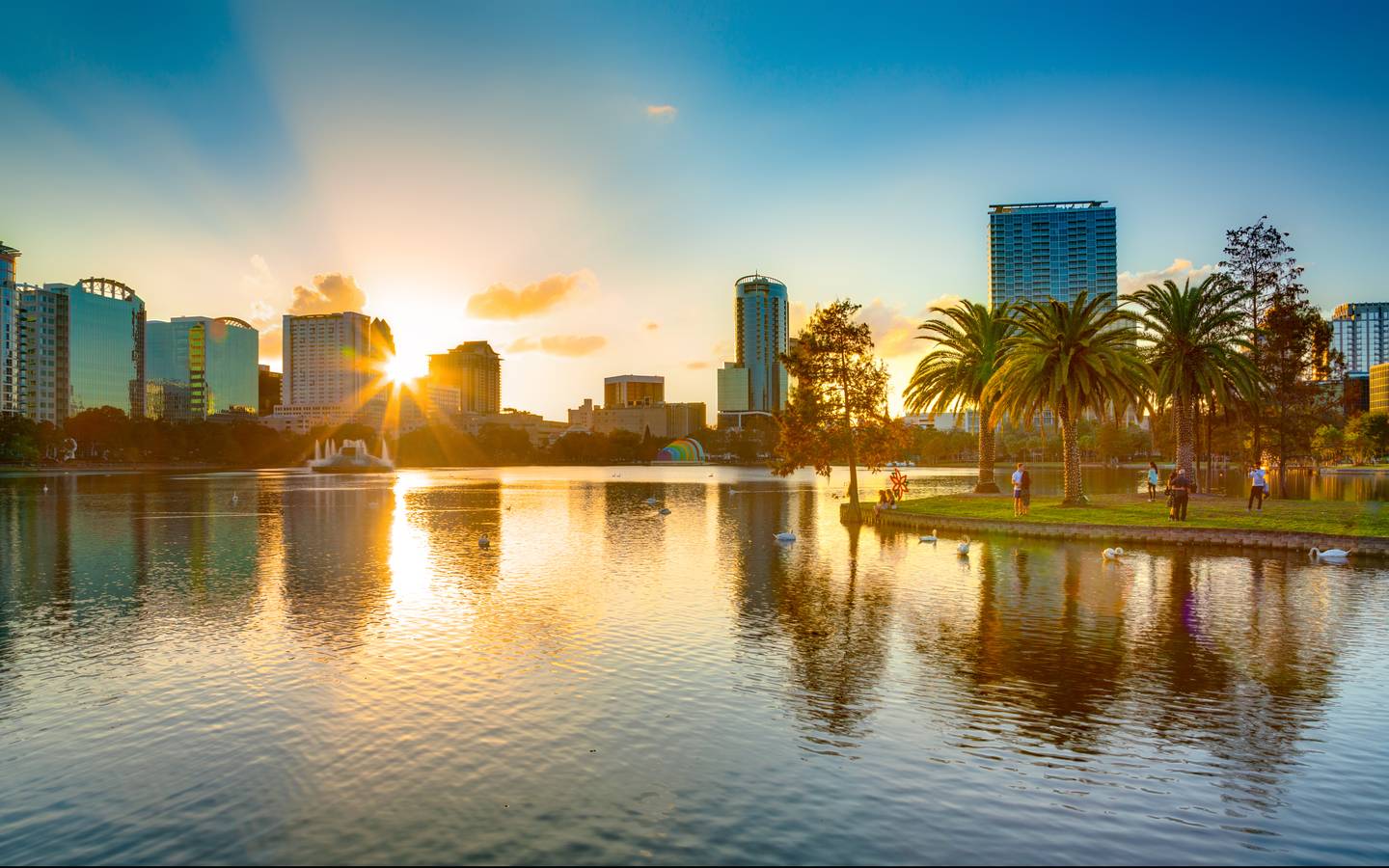
That moment is arriving for thousands of Americans — and Central Florida is where they are choosing to place it.
The numbers, by now, are hard to argue with. Cities like Palm Coast are posting compound annual GDP growth rates pushing 7%. Labor forces are expanding by double digits. Housing demand is outpacing supply in communities stretching from the St. Johns River corridor down through the heart of the I-4 corridor. Major healthcare systems are dropping $200 million investments into the region's infrastructure. These are not the signals of a market catching a temporary updraft. These are the signatures of a region rewriting its own future.
And yet, for all the data, the most compelling argument for Central Florida isn't economic. It's personal.
On Trust, and Why It Matters More Than Square Footage
Ask anyone who has purchased a production home in a master-planned community what they actually got, and the conversation tends to follow a familiar arc. The model was beautiful. The finishes in the actual home were not. The builder was responsive — until closing day, and then not particularly. The neighborhood filled in, the landscaping matured, and still something felt slightly off. Like wearing a suit that was made for someone else.
This is the quiet grief of the cookie-cutter home, and it is more common than the industry would like to admit.
Custom home building operates on an entirely different premise — one built on accountability, transparency, and the radical idea that the person writing the checks should also be driving the decisions. A reputable custom builder in Central Florida isn't selling you a product. They are entering into a relationship, one governed by communication, craftsmanship, and a shared investment in getting it right. That distinction is not cosmetic. It is foundational.
The builders worth trusting in this market are the ones who will tell you what they cannot do just as readily as what they can. They will walk the lot with you before a single permit is pulled. They will explain why the window placement matters, why the roof pitch affects more than aesthetics, why the quality of insulation in a Florida summer is not a luxury upgrade — it is the difference between a home that performs and one that merely exists.
What "Quality Finishes" Actually Means
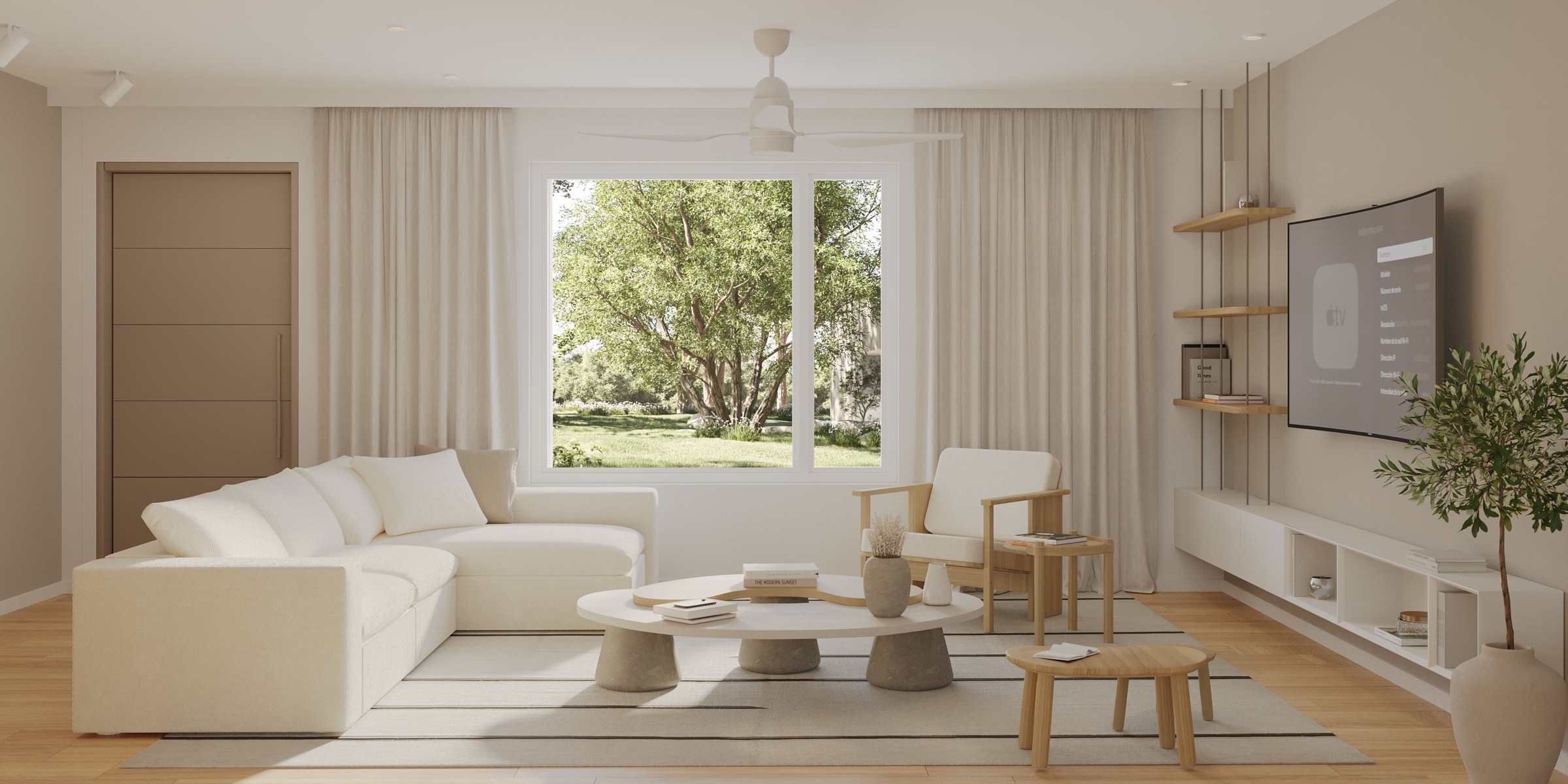
The phrase gets used so often in real estate marketing that it has nearly been drained of meaning. But in the context of a custom build, quality finishes are the physical record of every decision made — the evidence, written in tile and trim and cabinetry hardware, of whether a builder took the long view or the easy one.
In Central Florida's climate, quality is not decorative. Wide-plank hardwood that handles humidity. Impact-resistant windows that hold against summer storm systems rolling in off the Gulf. Porcelain and stone that won't fade under the particular cruelty of the Florida sun angling through west-facing glass at four in the afternoon. These are not aesthetic preferences. They are engineering choices, and they compound over time — either in your favor or against you.
A thoughtfully designed and properly built custom home in this market will outperform a production home in resale value, energy efficiency, and livability across virtually every meaningful metric. That is not opinion. That is what the data shows when you hold the two side by side long enough.
Why Central Florida, and Why Now
The region's growth is not accidental. Central Florida has spent years quietly assembling the infrastructure that serious long-term growth requires — medical systems, educational institutions, transportation corridors, and the kind of commercial investment that signals confidence rather than speculation. Healthcare networks are expanding. Employers are arriving. Younger demographics are planting roots.
The cost of living, relative to the Northeast and West Coast markets many new arrivals are leaving behind, still represents genuine value. Florida's tax structure remains one of the most favorable in the nation for individuals building long-term wealth. And the lifestyle — the proximity to coastline, the year-round outdoor utility, the cultural and culinary scene that has matured considerably in the last decade — has moved well past the retiree-and-theme-park caricature that once defined the region's reputation.
This is a place people are choosing deliberately. Not as a consolation. Not as a compromise. As a first choice.
The Case for Building, Not Buying
In a market tightening this quickly, the instinct is to move fast — to grab whatever is available before the window closes. That instinct is understandable. It is also frequently expensive.
A custom home in Central Florida, built by a builder whose references check out and whose process is transparent, is not a slower path to homeownership. It is a more intentional one. It is the difference between inheriting someone else's compromises and making your own choices — about layout, about materials, about the relationship between indoor and outdoor space that matters enormously in a climate where both are perpetually in conversation.
The families and individuals who will look back on this period of Central Florida's growth with the most satisfaction will not necessarily be the ones who moved the fastest. They will be the ones who moved the most thoughtfully — who found a builder they trusted, asked the hard questions, and built something that was genuinely theirs.
The sawdust smell fades. What remains is either a home, or a house. The difference is in the decisions made before the first nail was driven — and in the people you chose to make them with.